Protecting Your Almshouse
During Winter
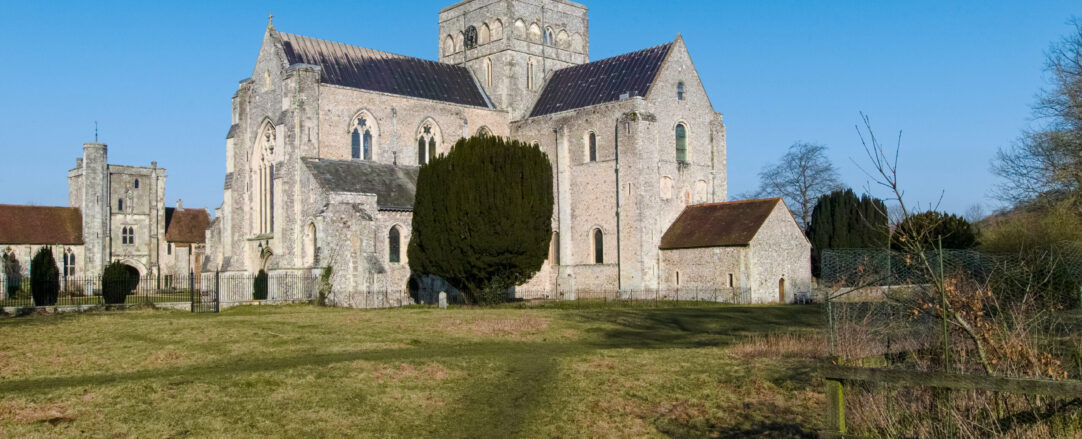
With the start of the Autumn and winter months, these bring with them a number of added property perils for Almshouse properties. From burst pipes to broken boilers, cold weather can lead to major damage, inconvenience and disruption.
In this blog, we look at some basic precautions and guidance to help protect Almshouse charities with some practical advice winter preparation guidance to try and protect your Almshouse property from the upcoming winter seasons.
Maintenance and General Preparations for Your Almshouse Property
- Routine building inspections should be carried out year round to identify potential issues and undertake essential maintenance. Formal risk assessments should inform the frequency of these inspections.
- Inspect key areas, such as the roof insulation, pipe lagging, boiler maintenance and the external fabric of the building.
- Implement regular maintenance contracts to clear your valleys, gutters, hoppers, downpipes and drains.
- This will limit the risk of blockages that can lead to water penetrating your building. Any trapped rainwater may crack or shatter the downpipe if it freezes. Signs of soil being washed away at ground level or splashes of soil at the base of walls can be an indication that water is not being caught by the gutter.
- Keep building plans that identify stopcock locations readily available. This will enable water to be quickly shut off in an emergency.
- Check the roof for potential problems such as loose, cracked or missing tiles.
- You can survey the roof from the ground, to see if anything’s obviously wrong – look out for shards of tile or grit in the gutters and on the floor – but it’s best to get a professional to fully survey.
- Examine nearby trees that could fall onto the property in stormy weather.
Water Heating Systems
- Leave boilers and other water systems during winter months, even when a property is temporarily unoccupied.
- Maintain an ambient temperature, to avoid many issues. We suggest maintaining a minimum temperature of 10°C throughout your properties.
- Activate your thermostat’s frost setting. This prompts the system to come on automatically during cold weather, which might otherwise not happen if your thermostat is only set to come on at certain times of the day.
- Carry out a full service regularly. Inspect and maintain heating systems, and particularly boilers, on a regular basis.
Temporary Heaters
- Should your main heating system fail during the winter months, we suggest that electric convector or fan-assisted heaters with thermostatic cut-outs that operate in the event of over-heating are used as a temporary measure.
- Liquid petroleum gas (LPG) heaters give off lots of water vapour which can have an adverse effect on the building, and can lead to the onset of rot in woodwork. If they are used, cylinders should be kept to a minimum and preferably changed in the open air in a well-ventilated area away from any source of ignition.
- Electric radiant heaters and paraffin/oil fired heaters should never be used, even as a temporary measure.
- Portable heaters should be sited well clear of combustible materials and, where possible, protected against the possibility of being knocked over or moved accidentally by the fitting of guards.
- Temporary heaters should not be left unattended for long periods or used when the building is unoccupied, and should never be moved when switched on.
Pipes and Water Tanks
- Inspect the water system for potential defects or vulnerabilities. Pay particular attention to areas exposed to cold conditions, such as pipes or tanks situated outside the property or in roof spaces.
- Ensure exposed pipes and water tanks are adequately lagged. This provides essential protection against freezing conditions.
- Insulate or fully drain outdoor taps between uses.
Sprinkler Systems
- Ensure that heating is present in the sprinkler valve room and it is kept at an ambient temperature.
- During winter months switch the alternate systems to air (we would suggest November to May)
- Check when the sprinkler system was last serviced. Ensure sprinklers receive full and regular maintenance.
Solutions at
Every Stage
Smart Cover Starts Here
Insurance isn’t one-size-fits-all. Let’s explore options designed to match what matters most to you, with flexibility and clarity every step of the way.
Unoccupied Almshouse Property
- If unoccupied, we suggest disconnecting the property’s water supplies and draining all pipes, tanks and heating system.
- However, if only temporarily unoccupied, heating systems should always be left on, to maintain an ambient temperature and avoid freezing or cracking.
- Ensure doors and windows are closed and inspect the property.
Almshouse Charities Insurance
At Brown & Brown, we understand that every Almshouse is different and each one has different winter preparation requirements. That’s why we have put together a friendly, seasoned specialist Almshouse Insurance team. The team will take the time to understand your needs and provide the comprehensive insurance solution for your circumstances.
If the unexpected should happen, we have a friendly in-house claims team ready to provide prompt and personal service.
For quote today, call Brown & Brown at 01458 675 501 or Request a Quote and we will provide personalised insurance cover for your Almshouse Charity Insurance.